Back to the shelf

072

Venus Museum – TVC

A permanent museum and living digital installation for the new head office, where the company's proof becomes walkable.

Building · Started September 2026 · System · Notion-First

That's the whole thing.

The site's sound is off. The narration still plays.

This reading didn't load. The transcript is below.

Read the transcript

Every visitor walks through reception first. That moment shapes everything that follows, and I started there.

The Venus Museum is a permanent gallery and a living digital installation, built into the reception of the new head office. One layer is physical: the awards, accreditations, patents, and products that carry the company’s proof. The other is a living wall, screens that ripple and shift as you move through the room.

I built the room as a template first. Every panel, shelf, and screen went in as an empty, numbered slot before a single object was chosen. Get the template right, and curation becomes arrangement.

The living wall’s look was approved in November twenty twenty-six. Next is a camera trial in the room, and the museum opens with the head office on the twenty-fifth of December.

Legacy should be walkable.

Narrated in my own cloned voice, generated with ElevenLabs v4.

Reception is the first room every visitor enters. That one fact shapes what I’m doing here.

Venus Museum is a permanent gallery and a living digital installation, built for the reception of the company’s new head office. The museum moves there from its current home. Two layers share the same space. First, a physical gallery: awards, accreditations, patents, and products, the objects that carry the company’s proof. Second, a camera-reactive installation, screens and cameras whose visuals ripple and shift as you move through the room. It draws on the physical inventory of the existing museum, plus a large digital repository of images, graphics, and videos from the last decade.

I’m building the space as a template first. Every wall panel, shelf, plinth, frame, screen, and seating zone goes in as an empty, numbered slot, drawn on the board before anything is fabricated. The content comes after the container is right. When the template holds, curation becomes arrangement rather than reinvention.

Presentation quality is credibility. That’s the functional argument. The deeper one is that legacy should be walkable: the company’s story, preserved and arranged so you can move through it.

I started in September 2026. It’s in build: the living wall’s look was approved in November 2026, and the museum is planned to open alongside the new head office in December 2026.
01 · The problem

Before it existed

What hurt

Every visitor to the new head office walks past reception first. The company’s proof, kept in a museum elsewhere, has no room designed for it yet.

Who uses it

  • Visitors at reception
  • Venus Museum team
  • Technical leadership
  • 1.6 Mgrains drawn on the wall
  • 3 sfor the picture to come home
  • 85 inwall screen, driven by one PC
  • 0frames of the camera shown on screen

02 · The flow

7 steps, in the order they happen

  1. 01 / 07

    Walk into reception

    You
    Enters the lobby
    It answers
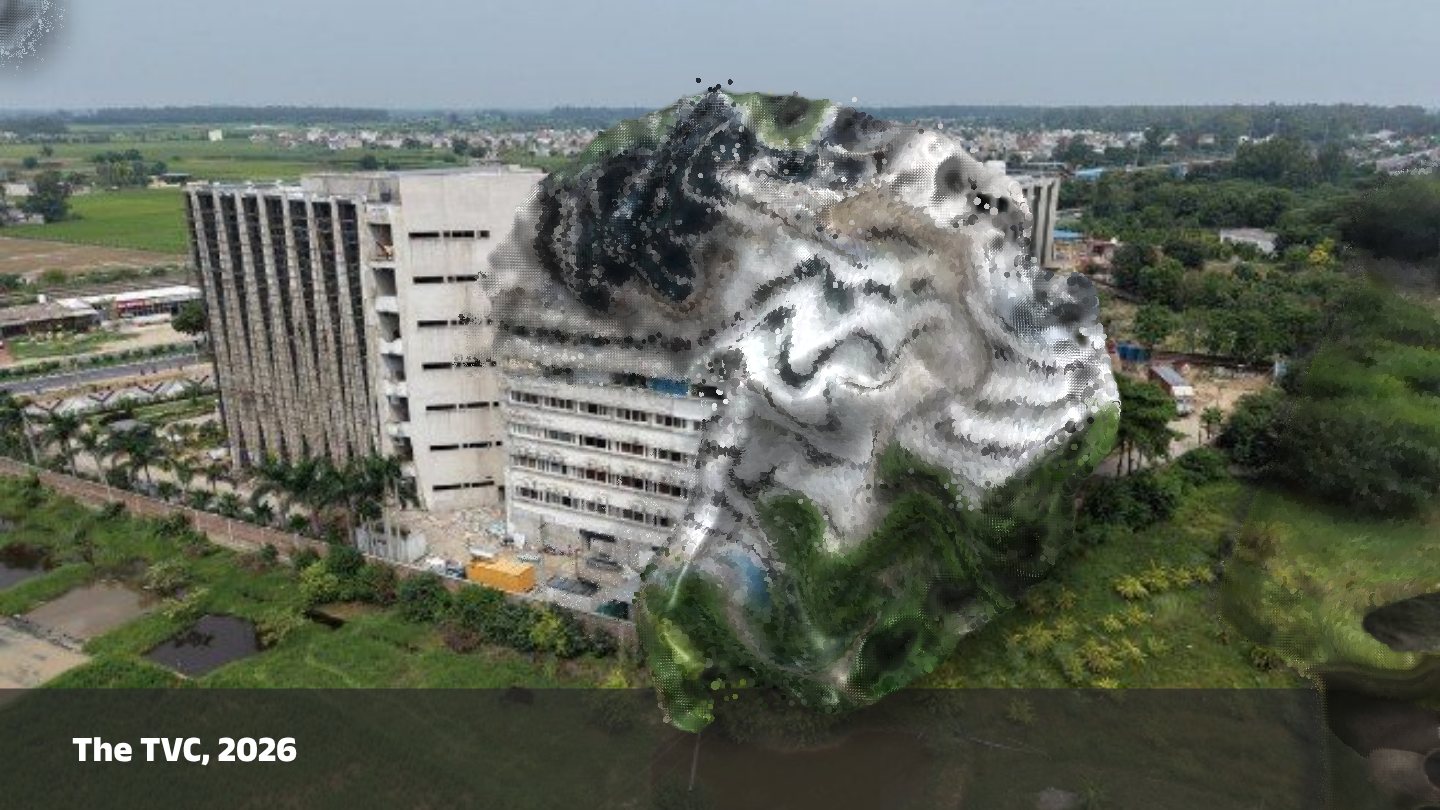
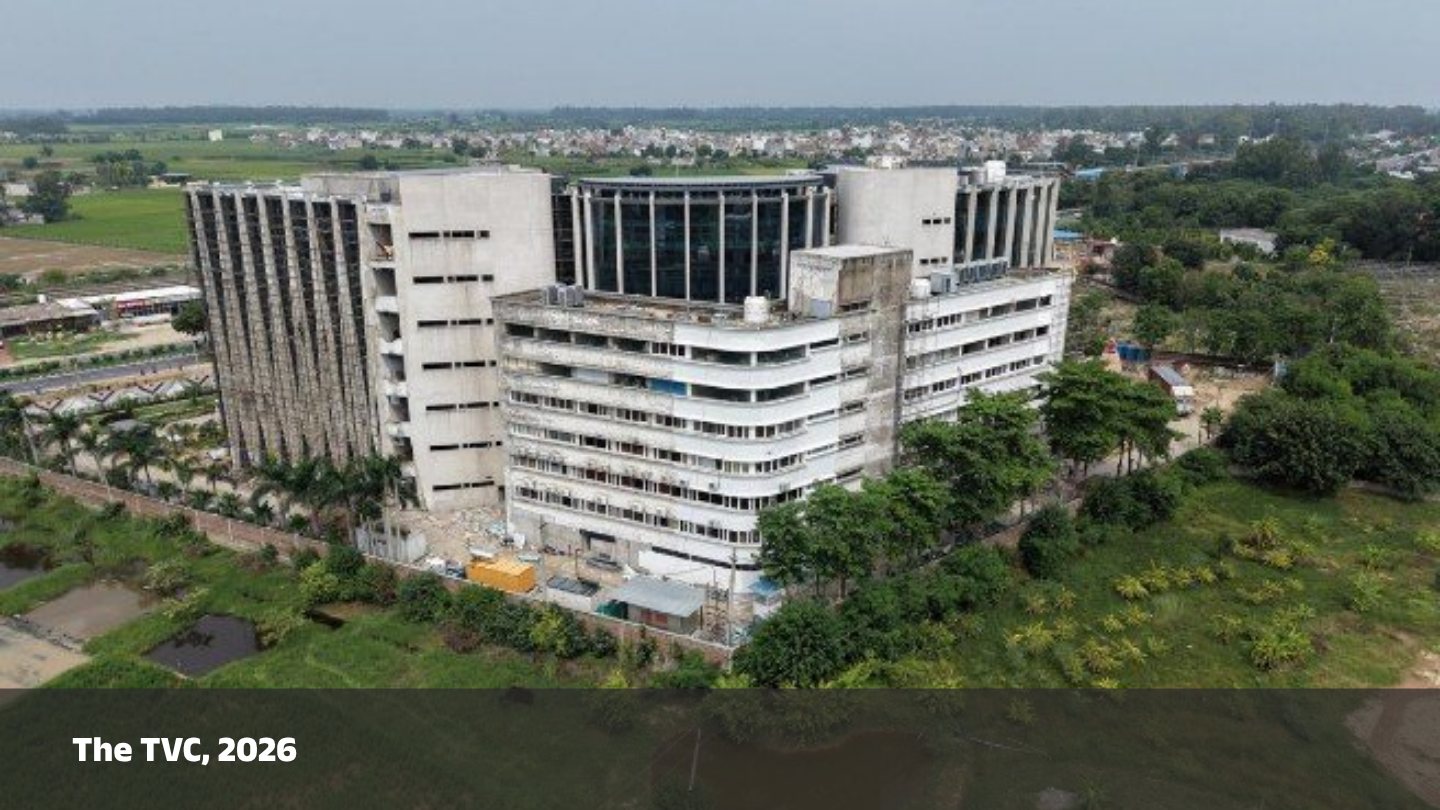
    Shows a picture of the campus exactly as it is, with nothing added
    The wall at rest: an aerial photograph of the campus with a caption
  2. 02 / 07

    Step up to the wall

    You
    Stands in front of the wall
    It answers
    Sees the visitor through a camera and begins to lift the picture where they stand
    The photograph starting to loosen into grains over the right-hand block
  3. 03 / 07

    Watch the pigment lift

    You
    Moves along the wall
    It answers
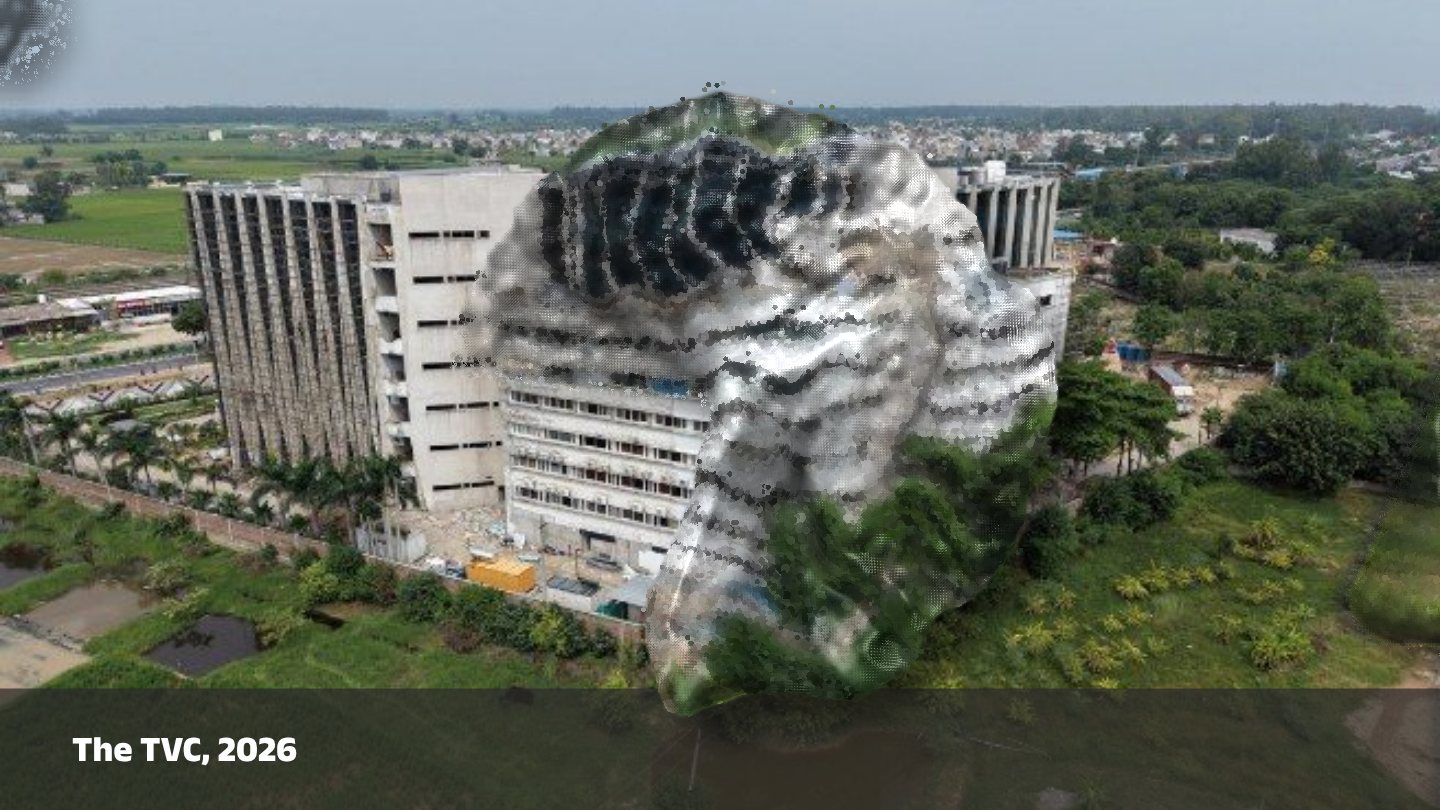
    Raises a lit body of the picture’s own grains that follows the visitor
    A body of lit grains lifted from the photograph, with the building showing through
  4. 04 / 07

    Walk away

    You
    Leaves the wall
    It answers
    Sends every grain home at its own pace; the picture is whole in about three seconds
  5. 05 / 07

    Leave a chair behind

    You
    Moves an object into view
    It answers
    Learns the room: a still object joins the background after about a minute
  6. 06 / 07

    Swap the picture

    You
    Loads an image or a video
    It answers
    Takes the new picture as the pigment and keeps the same look
  7. 07 / 07

    Plan the gallery by slot

    You
    Places an item in a numbered slot
    It answers
    Gives every wall, frame, shelf and screen an address, so curation becomes arrangement

03 · What was special

What it stands on

  1. Exact at rest

    With nobody there the output is the picture, pixel for pixel. Brand colours and captions stay true.

  2. A body, not a glow

    Grains have depth, one light and a current that never bunches them. No bloom, no sparkles, no trails.

  3. The camera stays hidden

    A learned model of the room finds visitors. The camera image is never put on screen.

The picture is the pigment: nothing is added to it.

Making-Of

A picture that lifts into its own pigment when you walk up to it.

The origin voicenote and the Notion build hub

  1. The world before

    The company’s awards, accreditations, patents and products live in a museum that is moving to the new head office. The reception room had no design for them yet.

  2. One day

    17 September 2026. A plan for the reception: a physical gallery of numbered slots, paired with a camera-reactive wall.

  3. Because of that

    1. The gallery was planned template first, every wall, frame, shelf and screen an empty numbered slot (17 Sep).
    2. Visual review moved from Paper to Miro (24 Oct).
    3. The living wall’s look, “the picture is the pigment”, was approved and frozen (10 Nov).
    4. New camera sensing was built so a still object joins the room after about a minute (10 Nov).
    5. A home for the code was made, with a build script, a synthetic-camera test and side-by-side stills (12 Nov).
  4. Until finally

    The look is approved and the sensing passes its tests against a drawn camera. A real camera, screen and room have not yet been tried.

  5. Since then

    Next is a camera trial in the room, then the opening with the head office on 25 December 2026.

The evidence Process, hands, and artifacts

Process

  1. Plan

    Template first: numbered empty slots before any object is chosen

  2. Method

    Visual review moves to Miro; Notion keeps the record

  3. Look

    The picture is the pigment; the look is ruled and must not change

  4. Sensing

    A learned background; held visitors, absorbed objects

  5. Tests

    Drawn camera scenarios, side by side with the approved build

  6. Opening

    Planned: opens with the head office

Hands

Akshansh

  • The idea of the picture as pigment
  • Approval of the look, with a side-by-side rule for any change

Agents

  • Claude CodeBuilt the wall, the sensing and the synthetic-camera test