Project · 2019 · Virtual Reality, Game, Education

Pain Terminator

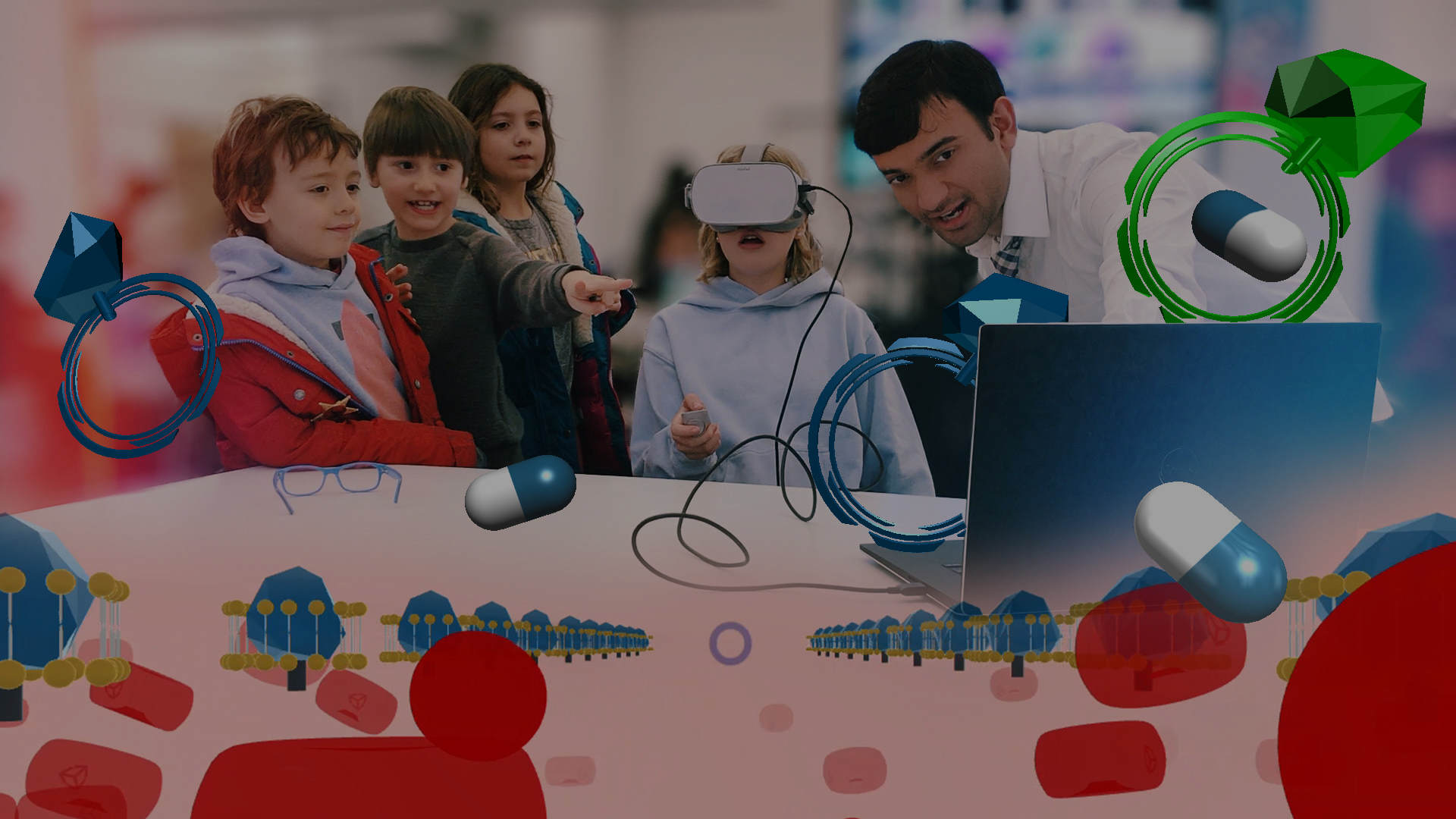
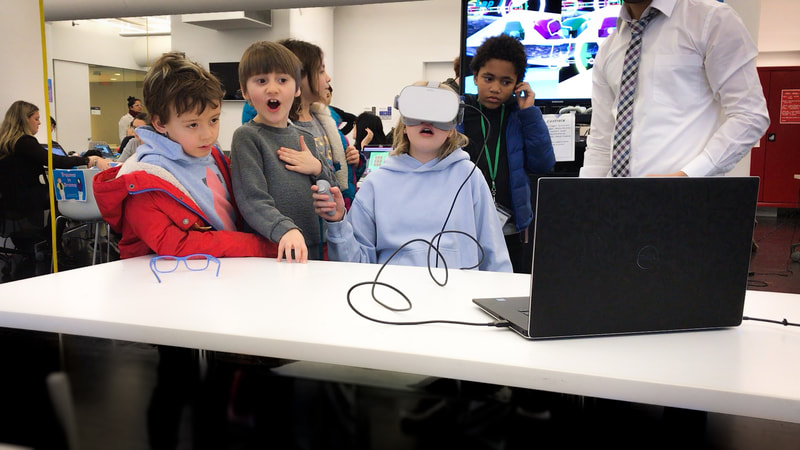
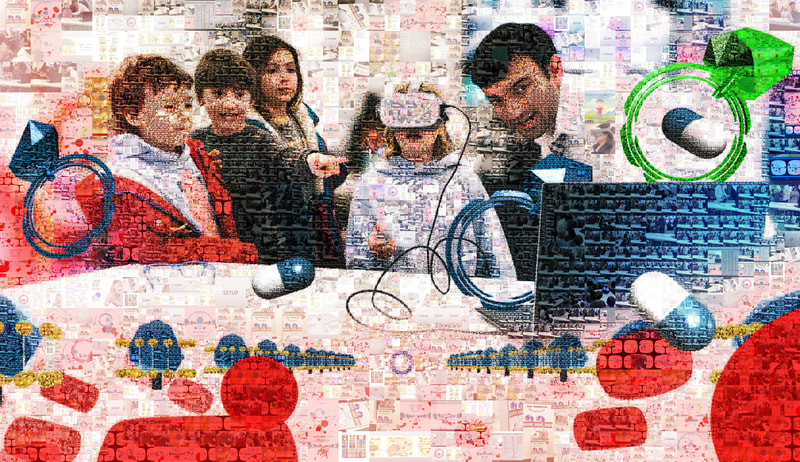
A virtual reality game set up as a museum installation for children, where the player takes on the role of a painkiller navigating the human bloodstream to explain how NSAIDs work inside the body.

That's the whole thing.

The site's sound is off. The narration still plays.

This reading didn't load. The transcript is below.

Read the transcript

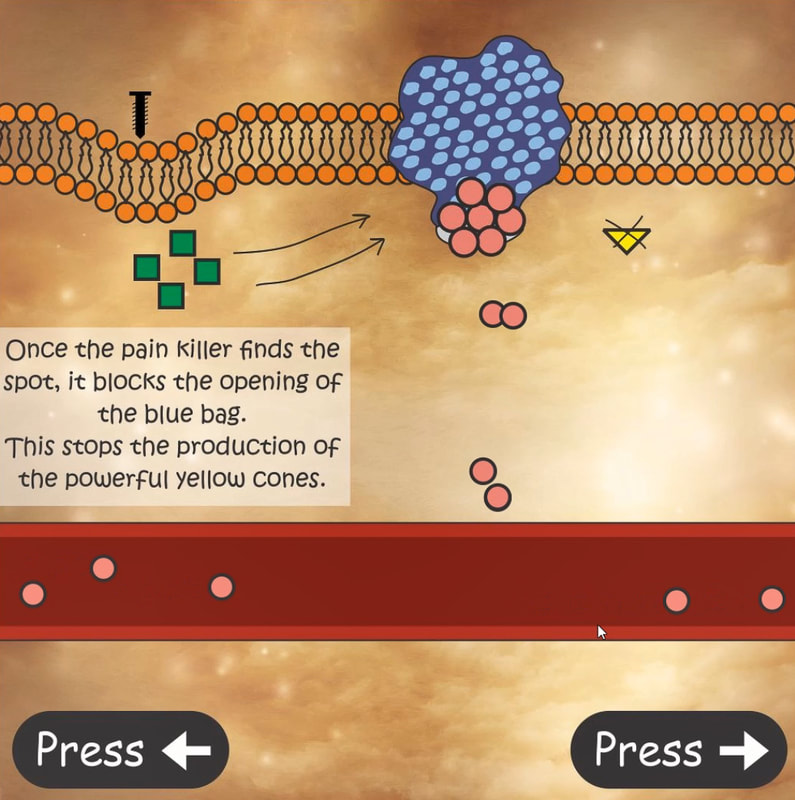
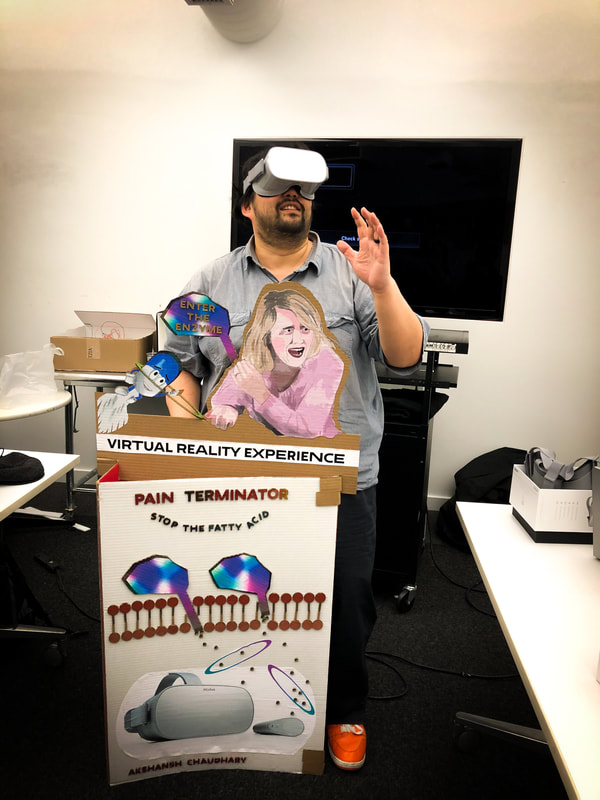
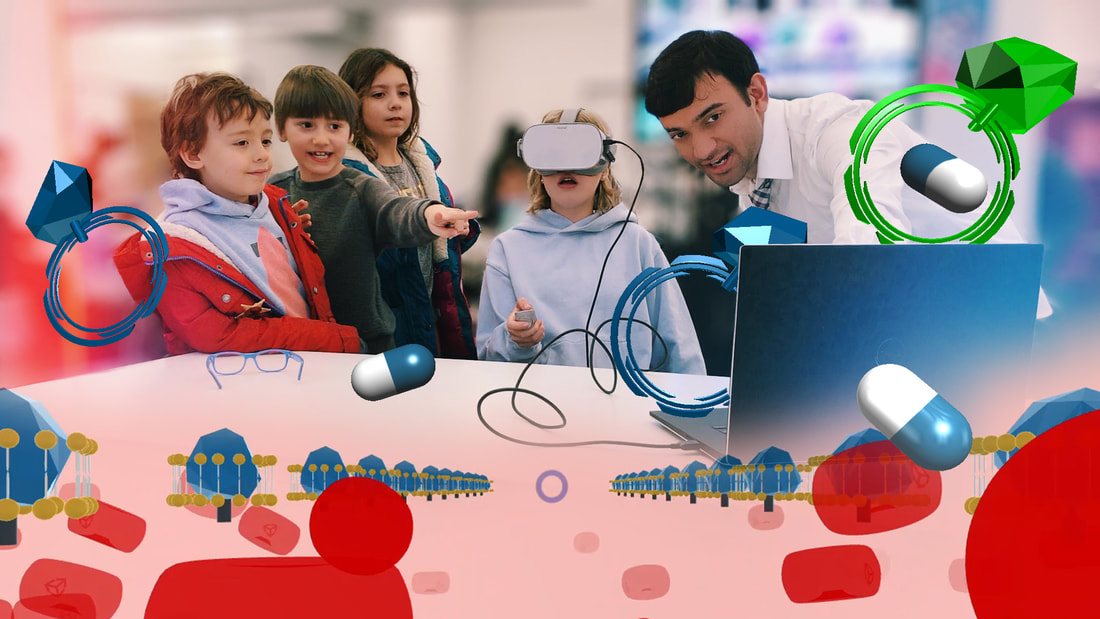
What if you could be the medicine? That is the question Pain Terminator starts from. It is a virtual reality game I made at Parsons in twenty nineteen, built as a museum installation for children. You put on the headset and become the painkiller, travelling through the bloodstream, blocking enzyme openings. That is how non-steroidal anti-inflammatory drugs calm the inflammatory response. The game does not explain it; it lets you do it.

Putting a child in the first-person view of the medicine they might take makes an abstract process tangible. The aim is to reduce fear around medication and build early health literacy through play. Built in Unity with a laser-cut physical setup. The demo video and design document are on this page.

Narrated in my own cloned voice, generated with ElevenLabs v4.

Pain Terminator — cover
Pain Terminator · 2019

The overview, or the fuller process story.

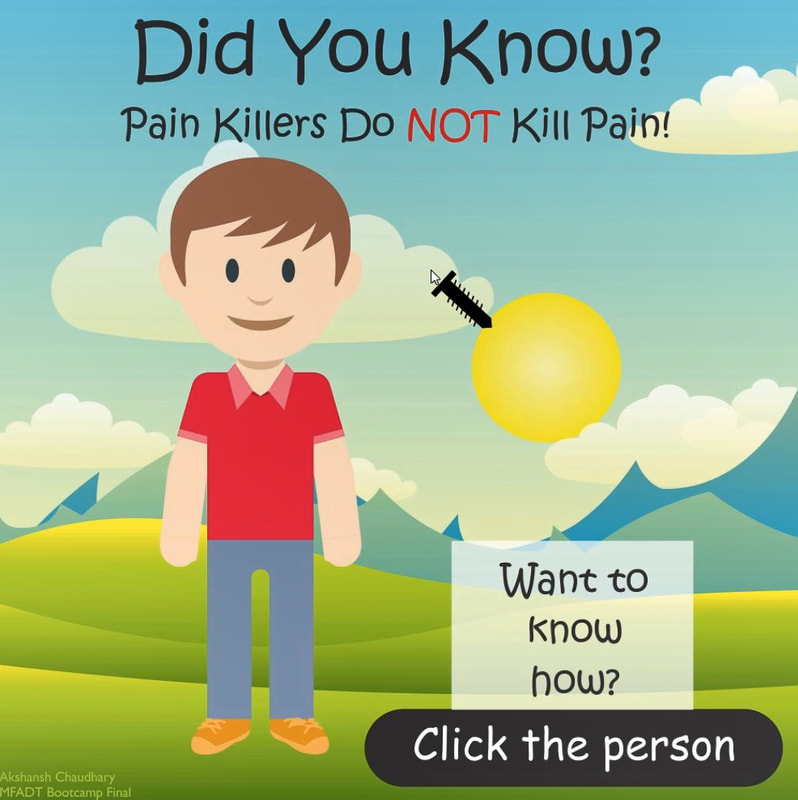
A child who has taken a painkiller cannot see what it does. Pain Terminator puts that child inside the process.

I built it in 2019, during my MFA at Parsons, as a VR game designed to run as a museum installation. The subject was nonsteroidal anti-inflammatory drugs, NSAIDs. What they do inside the body is invisible, and I wanted to close that gap through play.

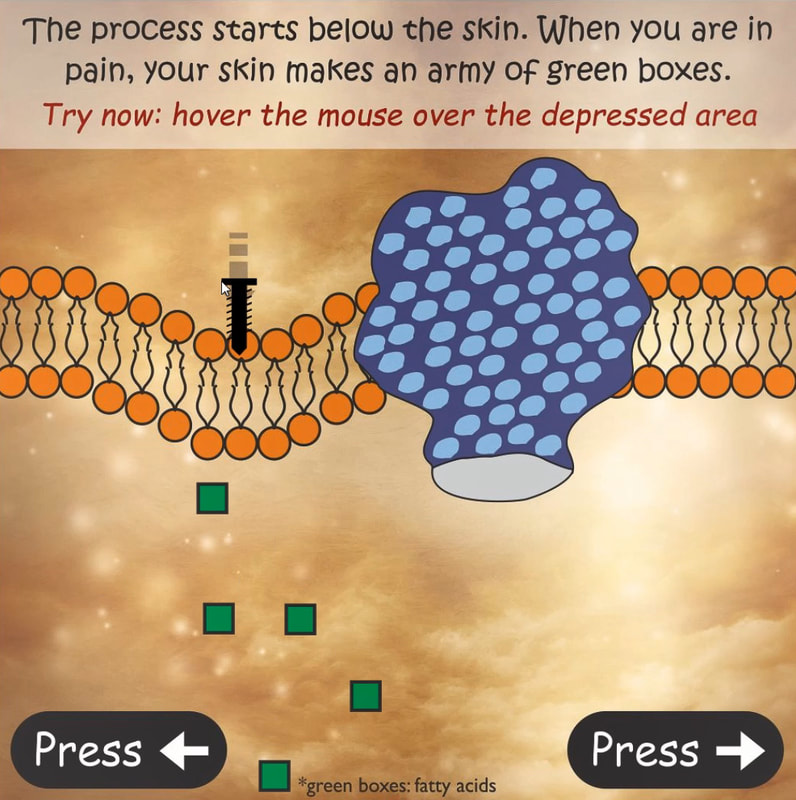
In the game, you become the painkiller. You navigate the bloodstream and block enzyme openings, which is how NSAIDs actually work: inhibiting the enzymes that drive the inflammatory response. The mechanic is the biology, made physical and navigable.

Putting a child in the first-person view of the medicine they might take makes an abstract process tangible and memorable. The aim was to reduce fear around medication and build foundational health literacy through embodied play.

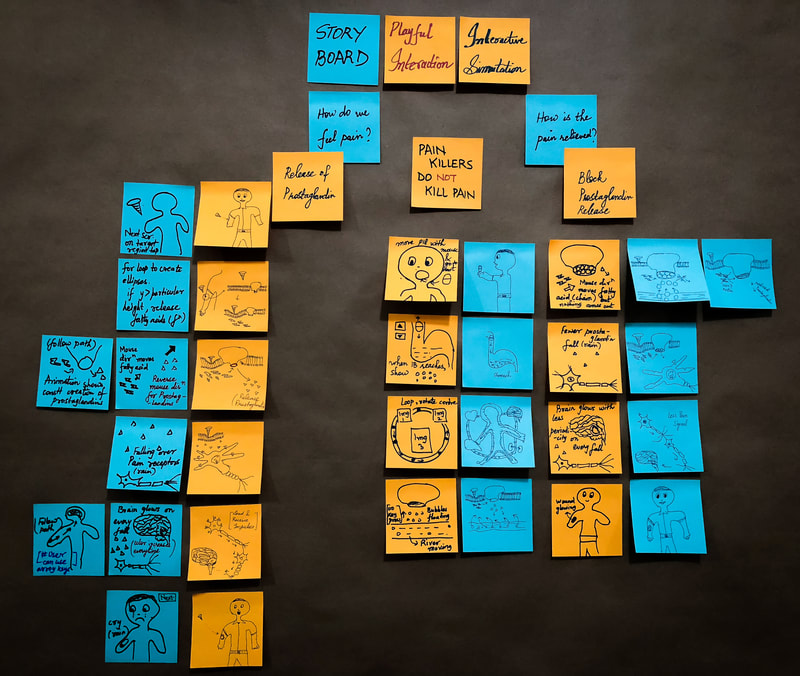
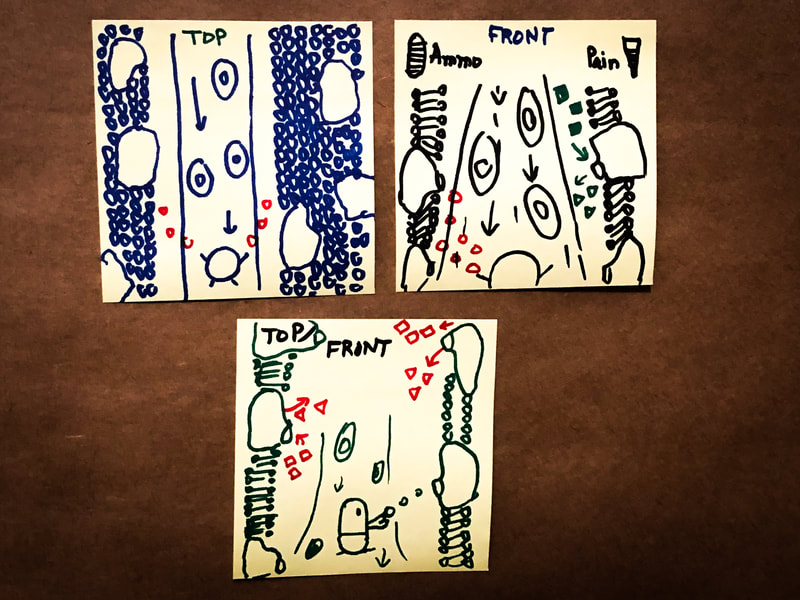
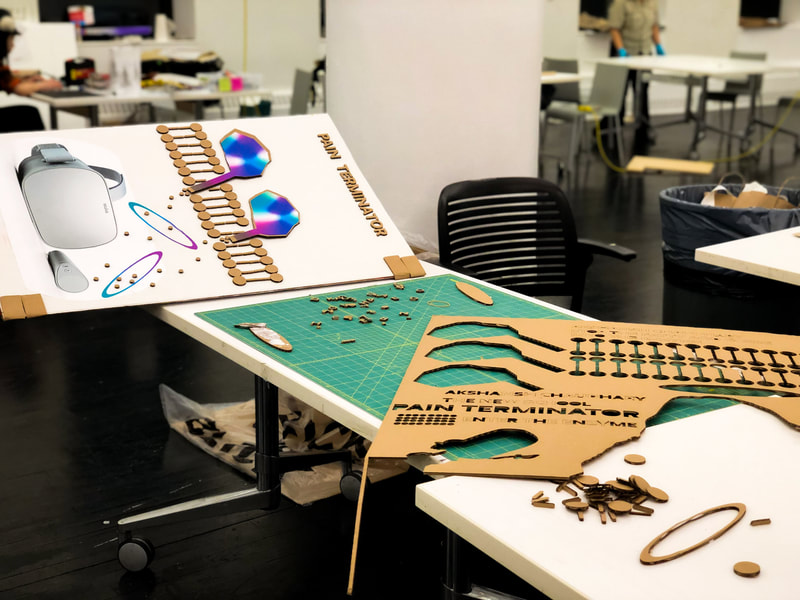
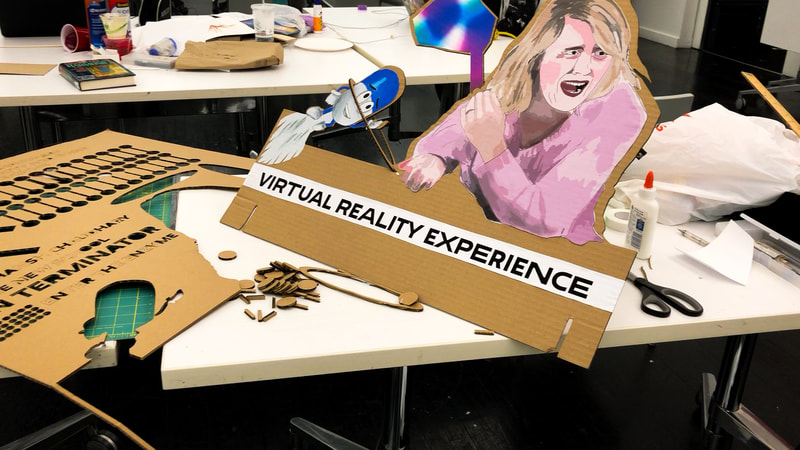
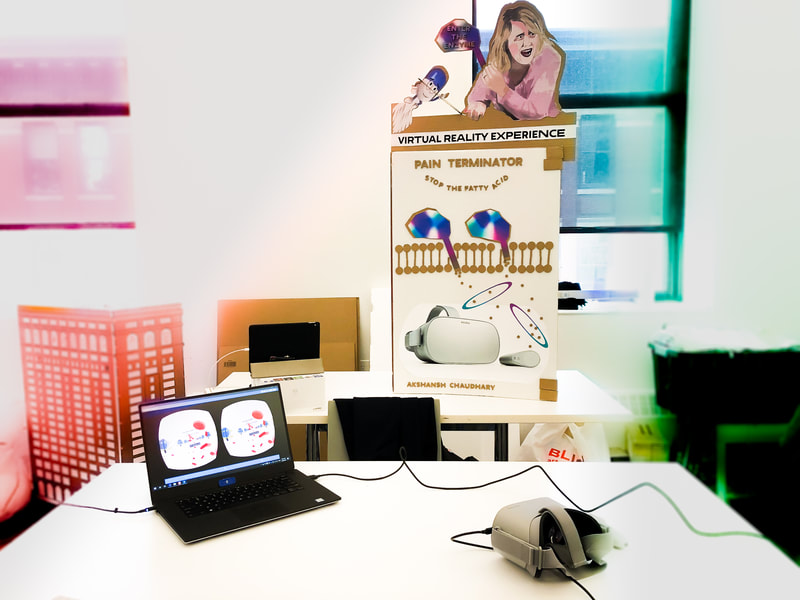
The build went through storyboards, a first prototype, a second prototype, laser cutting for the physical installation setup, and user tests with real players. It was made in Unity3D, with Illustrator and Photoshop.

The demo video and the design document are both on this page.
Project resources

Videos, downloads, and references

Videos

Pain Terminator Demo

Project gallery

Checkpoints from the making of the work.

Tools used

Unity3DAdobe IllustratorAdobe Photoshop

Collaborate

Interested in working together?

Design, technology, transformation — the inbox is open.